House Clearance in Great Bookham

House clearance in Great Bookham should be clear, orderly and matched to the property itself, whether you are preparing a family home for sale, emptying a rental at the end of a tenancy, or dealing with accumulated contents after a move. We handle the removal of furniture, boxed household items, mixed loose goods and other domestic contents in a practical way, so rooms can be cleared without unnecessary disruption. The aim is straightforward: remove what needs to go, separate what can be kept, and leave the property ready for the next stage.
Our work covers a wide range of household contents, from single-room clearances to full-property removals. That may include sofas, beds, wardrobes, tables, white goods, small appliances, books, ornaments and general bric-a-brac. Some properties need careful sorting before anything is moved; others are more direct. In either case, the process benefits from clear decisions about what stays and what leaves, because a tidy plan saves time on the day and reduces unnecessary handling.
Alongside the physical clearance itself, there are practical steps that help a job run smoothly. It is useful to identify any items that must remain in the property, set aside paperwork or valuables, and make access as easy as possible. If there are pieces that need special handling, such as heavy furniture or awkward items from lofts and outbuildings, those can be considered as part of the plan. If you are comparing options, a sensible next step is to ask for a quotation based on the actual contents rather than assumptions.
Domestic clearance options for different properties
House clearance is rarely identical from one property to the next. A compact cottage, a larger family house, a maisonette or a property with multiple floors can each require a different approach. We adapt the clearance to the contents and access available, so the work is organised around the building rather than forcing every job into the same pattern. That can mean working through rooms in sequence, clearing only selected areas, or handling the whole property from top to bottom.
Useful choices often depend on what the property contains. Some customers only need bulky furniture taken away, while others want a fuller domestic clearance that includes mixed household items, clothing, soft furnishings and stored belongings from cupboards or shelving. A careful sort is often the best way to avoid removing anything that still has value or personal importance. If you are planning ahead, grouping items by room or category can make the process easier to discuss and assess.
Common domestic items we can clear
- Large furniture such as beds, wardrobes, sofas and dining sets
- Smaller household items, ornaments and boxed possessions
- Kitchen contents, appliances and utility-room items
- Garage, shed and loft contents where access is suitable
- Mixed clutter from storage spaces, cupboards and spare rooms
Clearing furniture and bulky household items

Furniture often forms the largest part of a house clearance, and it usually needs more than simple lifting. We remove items such as wardrobes, drawers, tables, chairs, bookcases and sofas, taking care to move them through the property without causing avoidable damage. In homes with narrow stairs, awkward hallways or upper floors, the route matters as much as the item itself, so it is worth planning how each piece will be moved before the job begins.
Some furniture can be dismantled to make removal easier, while other pieces are best taken out intact. That depends on the design of the item, the available space and whether it can be safely carried as it stands. Heavy items may also need two-person handling or a slower pace through tight areas. A good clearance service should be able to judge this practically rather than relying on a one-size-fits-all method. Where there are several bulky items in one property, sorting them into the order they will be removed can make the process simpler.
Furniture removal is often linked to wider clearances, but it can also be the main task on its own. For example, a property may only need a few substantial pieces removed before decoration, letting, sale or refurbishment. In those cases, the work is less about emptying every room and more about removing the specific items that no longer suit the space. Measured handling is important here, especially where flooring, stair rails or door frames need extra care.
Household sorting, access and preparation
Before a clearance starts, it helps to separate items into three simple groups: keep, remove, and review. That structure keeps the job focused and reduces the chance of something useful being moved by mistake. For many households, the most valuable preparation is not packing but deciding what should remain where it is. This is especially relevant when a property contains inherited contents, shared possessions or papers that need to be checked before anything goes.
Access is the other major practical point. If parking, entry points, stairwells or communal areas may affect removal, it is better to think about them in advance. Clear routes save time and make lifting safer, particularly with larger furniture or awkwardly shaped household items. If you can identify items stored in loft spaces, garages or spare rooms, that also helps the work proceed in a logical order. For a more accurate quotation, it is sensible to describe the contents clearly and note any access limitations.
When a property includes a mixture of large and small items, the order of work matters. Heavy furniture may need to come out first, while smaller contents are collected afterwards. In some homes, the right plan is to clear one room completely before moving on; in others, it is easier to remove grouped items from several rooms. The best approach is the one that matches the layout, the contents and the practical constraints of the building.
Full and partial house clearance work
Not every job involves an entire property. Partial house clearances are common when only certain rooms, cupboards or storage areas need to be emptied. A partial clearance may be the right option for a loft filled with stored goods, a garage with mixed household items, or a spare bedroom that has become overfull. The advantage is that the work can be focused without disturbing the rest of the home more than necessary.
Full clearances require a broader approach. In those jobs, each room is considered in turn so that the contents are removed in a controlled sequence. This is often needed when a property is being prepared for sale, refurbishment or handover. A full clearance also gives a better opportunity to separate keepable items from general contents, especially where cupboards, shelves and hidden storage spaces contain smaller belongings. If the property includes several different types of room, it may help to set out which spaces are included and which are not before work begins.
There is no single correct level of clearance for every household. Some customers want a near-total emptying of contents, while others only need the bulky items, old storage and surplus goods dealt with. The important point is to define the scope clearly, because that affects both the amount of labour involved and the order in which the work should happen. A clear scope also helps avoid misunderstandings if certain items are to remain in place.
Rooms, storage areas and mixed domestic spaces

House clearance work often extends beyond the main living rooms. Loft spaces, under-stairs cupboards, airing cupboards, garages and sheds can all contain a surprising amount of domestic storage, and each space may need a different method of clearance. Items stored for years can be boxed together, loosely stacked or hidden behind heavier objects, so it is worth allowing time to sort through them before removal begins. The aim is to clear what is no longer needed without disturbing items that should stay.
Kitchen and utility spaces can also require careful handling. They may hold appliances, small equipment, crockery, pantry goods or cleaning products, all of which need sensible sorting before removal. Some items are straightforward, while others may be more delicate or awkward to carry. In homes with a lot of storage, it is often best to work through one area at a time so the contents can be checked properly. That approach reduces confusion and makes the overall job feel more controlled.
Where a property includes a mix of domestic and storage spaces, the best clearance plan is usually the simplest one that still respects the layout. For example, a garage may be best handled separately from upstairs rooms, or a loft may be cleared after the main living areas have been emptied. By matching the plan to the actual property, the clearance stays practical rather than rushed. If you are unsure where to begin, a short list of priority rooms can be enough to shape the work.
Handling specialist household items
Some house clearances include items that need extra attention because they are heavy, awkward or made from mixed materials. Examples may include large wardrobes, glass-fronted cabinets, exercise equipment, packed shelving, old electrical items or pieces that have to pass through tight spaces. These items do not necessarily change the nature of the job, but they do affect the way it should be carried out. Careful handling helps reduce strain and prevents damage to the property or the item itself.
Specialist household items may also require extra sorting before removal. Old appliances, for instance, may be separate from ordinary furniture, while boxed collections or stored possessions may need to be checked item by item. The right approach is usually based on the material, size and condition of the object rather than on any assumption about the room it came from. One careful assessment can avoid a lot of unnecessary lifting, especially where several awkward items are stored together.
Not every property contains specialist pieces, but when they do appear they are worth identifying early. This is particularly helpful in homes with long-term storage, inherited contents or rooms that have been used for mixed purposes over time. The more accurately the items are described at the outset, the easier it is to plan the clearance and allocate enough time for it to be done properly.
About Great Bookham
Great Bookham is a village in Surrey, within the Mole Valley district, and it sits close to the chalk landscapes of the North Downs. The settlement is often described together with Little Bookham, though Great Bookham is distinct in its own right and has a long rural history that predates modern suburban growth. The village centre includes a mix of traditional streets and later development, while the surrounding area retains a more open character shaped by fields, wooded edges and nearby footpaths. The relationship with the wider landscape is one of the most noticeable features of the place, with the Downs visible as a defining backdrop in many directions. Parish churches, older houses and village amenities sit alongside twentieth-century housing, creating a layered streetscape rather than a single period look. The local railway station, shared with the neighbouring settlement, links the village to the broader area and has influenced its development over time. Bookham Common is one of the best-known nearby natural spaces: a large area of heath, woodland and grassland managed for wildlife and public access, valued for its walking routes and changing seasonal character. The village also connects with the wider cultural and historic landscape of Surrey through nearby manor estates, conservation areas and long-established routes through the Downs. Although Great Bookham is not a large town, it has the mix of heritage, green space and residential character that gives it a strong local identity within the district.
Planning a sensible quotation
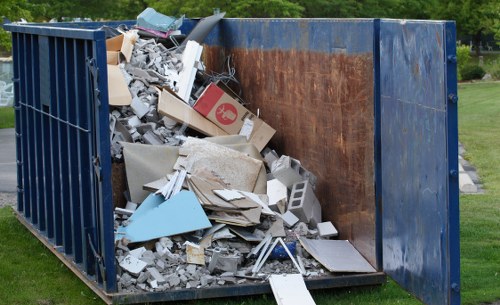
A quotation for house clearance is usually easiest to understand when it reflects the actual contents, access and scope of the job. The main factors are the amount of material to be removed, the type of items involved, how they are stored and how straightforward it is to reach them. A cleared-through hallway is different from a top-floor room filled with mixed belongings, and that difference can affect the time and effort required. It is therefore better to base the estimate on a real description than on a guess.
It helps to mention whether the property is empty, partly furnished or fully occupied, because that changes how the work has to be organised. If certain items are staying, note those as well, as they may affect the sequence of the clearance. Where there are only a few bulky items, the scope can be simple; where there are several rooms of mixed contents, more detail is useful. If you are preparing for a quote, a short note about the main rooms and the larger pieces is often enough to start with. Accuracy at this stage makes the whole process easier.
In many cases, the quotation stage is also the moment to clarify practical points such as parking, building access and whether there are stairs or shared entrances. Those details help shape a realistic plan without overcomplicating the conversation. If you already know which areas are included, keep that list concise and specific. Once the scope is clear, the next step is simply to request a quotation and compare it against what needs to be done.
Recycling, sorting and responsible disposal
House clearance is not only about taking items away; it also involves sorting them sensibly once they are removed. Mixed domestic contents often include reusable furniture, recyclable materials and general household waste, and these categories benefit from being handled separately where practical. That approach supports a cleaner clearance and avoids treating every item in the same way. It can also be helpful where a property includes a mix of newer goods and older items in varying condition.
During a domestic clearance, some items may be suitable for reuse while others are best directed towards recycling or disposal routes. The exact route depends on what the item is made from and whether it is still usable. Furniture, metal, cardboard, appliances and mixed household goods can all require different handling. Rather than assuming every object is the same, it is more accurate to sort by type and condition. That kind of organisation keeps the job orderly and makes it easier to manage the contents effectively.
If a property contains both household items and general clutter, the sensible way to proceed is to separate them as early as possible. The more clearly the contents are grouped, the easier it is to deal with them in an appropriate way. Good sorting is part of a well-run clearance, not an optional extra. It supports the practical aim of emptying the property cleanly and leaves fewer loose ends behind.
Use house clearance support when the property needs a fresh start

House clearance is often the point at which a property can move from being cluttered and difficult to manage to being ready for its next use. That might mean a sale, a tenancy change, refurbishment or simply reclaiming rooms that are no longer working as they should. The main value of the service is practical: it removes the contents that are in the way and restores order to a home that needs to be opened up again. For many customers, that is easier than trying to move everything in stages without a clear plan.
If you are thinking about arranging a clearance, the most useful first step is to decide on the scope and note the main rooms involved. After that, a quotation can be requested against the real contents rather than a rough estimate. We can then plan the work around the property, the items and the access available. If you are ready to take the next step, ask for a quotation today; if you are still comparing options, keep the details of the rooms and items together so they are easy to review.
For many households, the simplest path is the best one: identify what needs to go, keep hold of anything important, and arrange a clear removal plan. That approach suits both small and large properties, and it keeps the process practical from start to finish. When the contents are ready to be dealt with, a house clearance can provide a clean, structured reset for the home.