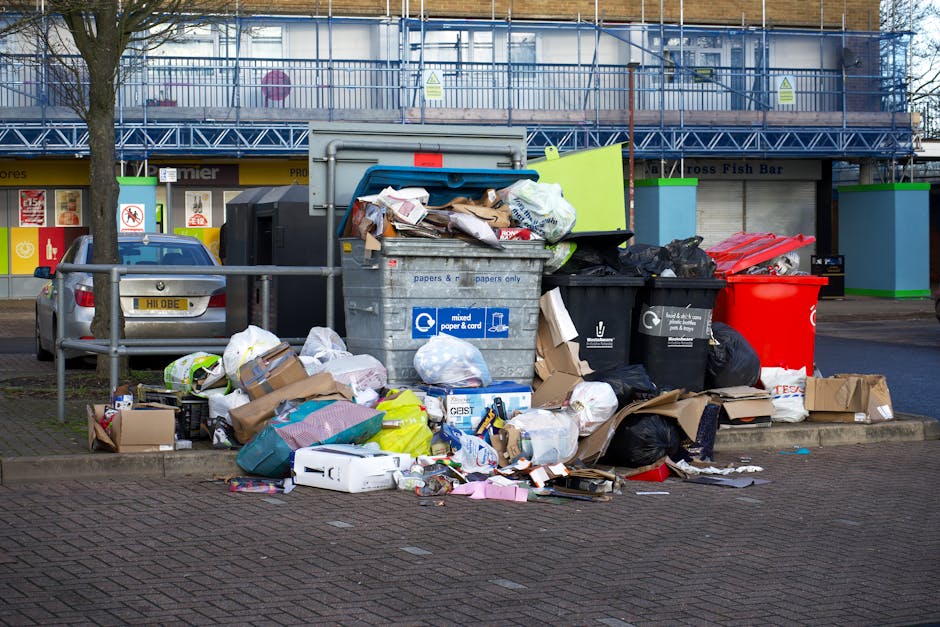
Mole Valley permits for bulky rubbish collection Great Bookham
If you are trying to work out Mole Valley permits for bulky rubbish collection Great Bookham, you are probably dealing with a fairly ordinary problem that still turns into a nuisance fast: a sofa by the front door, a broken wardrobe in the garage, or a pile of heavy items that simply will not fit in the car. The tricky bit is not just getting rid of the stuff. It is making sure the collection is arranged in a way that fits local rules, access, timing, and the practical realities of a busy household.
This guide explains what the permit side usually means in practice, how bulky rubbish collection tends to work in Great Bookham, and what to think about before booking a removal. It also covers common mistakes, compliance questions, and the small details that make the whole thing much less stressful. Truth be told, it is often the small details that save the day.
Table of Contents
- Why Mole Valley permits for bulky rubbish collection Great Bookham Matters
- How Mole Valley permits for bulky rubbish collection Great Bookham Works
- Key Benefits and Practical Advantages
- Who This Is For and When It Makes Sense
- Step-by-Step Guidance
- Expert Tips for Better Results
- Common Mistakes to Avoid
- Tools, Resources and Recommendations
- Law, Compliance, Standards, or Best Practice
- Options, Methods, or Comparison Table
- Case Study or Real-World Example
- Practical Checklist
- Conclusion
- Frequently Asked Questions
Why Mole Valley permits for bulky rubbish collection Great Bookham Matters
Permits matter because bulky waste is not the same as day-to-day bin waste. Large items need more space, more care, and often more planning. In a place like Great Bookham, where homes range from compact flats to larger family properties with shared access, a simple collection can quickly become awkward if nobody has considered where the items will sit, how they will be moved, or whether any local permission is needed for the vehicle or loading point.
People often assume a bulky rubbish collection is just a matter of leaving things outside. Sometimes that is enough. Sometimes it is not. If the collection vehicle needs to wait on a narrow road, if items must be placed on a verge or a controlled stretch of highway, or if access is tight, permits or local approvals can come into the picture. That is where the phrase Mole Valley permits starts to matter in a real, practical sense.
There is also a trust angle here. The right permit, the right disposal route, and the right handling process show that the waste is being managed properly. That matters if you care about avoiding fly-tipping risks, protecting shared spaces, and keeping neighbours happy. Nobody wants a sofa blocking the pavement on a wet Tuesday morning. Not ideal, to say the least.
Expert summary: In Great Bookham, the permit question is less about paperwork for its own sake and more about making sure bulky items are removed safely, legally, and without disruption to roads, pavements, or neighbours.
How Mole Valley permits for bulky rubbish collection Great Bookham Works
The exact process depends on how and where the bulky waste is being collected. In simple terms, there are usually three layers to think about: the waste itself, the access route, and the collection method.
First, identify what the items are. Bulky waste usually includes furniture, white goods, mattresses, wardrobes, tables, and similar large household items. Some items may need extra handling because of weight, disassembly, or material type. A crushed cupboard and a heavy filing cabinet do not behave the same way when you try to move them down a hallway.
Second, look at access. If the collection can take place entirely on private property, permission issues are usually simpler. If part of the process involves placing items on the public highway, using a skip-style arrangement, or loading from a restricted area, you may need to check whether a Mole Valley permit or some other local approval applies. In practice, this is often decided before the collection day so there are no awkward surprises.
Third, match the method to the job. Some collections are best done as a straightforward van load. Others need a more structured service, especially if there are several heavy items, stair carries, or a full-room clear-out. If you are already looking at a broader property clear-out, services like house clearance or home clearance may be more suitable than trying to piece together a one-off lift-and-shift yourself.
It is worth saying plainly: permits are not always needed. But when they are, the right approach is to check early rather than assume. That small bit of planning can save a lot of hassle later.
Key Benefits and Practical Advantages
There is more to this than simply getting rid of clutter. A properly organised bulky rubbish collection gives you a cleaner property, less lifting risk, and a more predictable process. That sounds obvious, but in real life those are the things people value most.
- Less stress: You know what is being removed, when it is going, and whether any permit or access arrangement is required.
- Safer handling: Heavy or awkward items are moved with the right approach, which lowers the chance of damage or injury.
- Cleaner surroundings: Items are not left sitting around the driveway, front path, or shared entrance for days.
- Better compliance: If the collection needs local approval or controlled loading, you are less likely to run into avoidable issues.
- More efficient disposal: The right service can separate reusable, recyclable, and non-recyclable items more effectively.
For many households, the biggest benefit is mental, not physical. Once the bulky items are out, the room feels different. A spare room becomes usable again. A garage stops feeling like a storage cave. You can hear the echo, oddly enough, the minute the old settee leaves. That is when people realise the job was bigger than they first thought.
Who This Is For and When It Makes Sense
This topic is relevant to a broad mix of Great Bookham residents and local property owners. If any of the following sounds familiar, you are in the right place.
- Homeowners clearing out old furniture, mattresses, or broken appliances
- Tenants moving out and needing a quick, tidy removal
- Landlords preparing a property between occupancies
- Families dealing with inherited items after a house clearance
- People emptying garages, lofts, or sheds that have filled up over years
- Small businesses replacing office furniture or equipment
It also makes sense when bulky waste is only one part of a bigger job. For example, if the garage has furniture, old paint tins, and builders' offcuts mixed together, a targeted service may be better than trying to sort it in stages. In that kind of scenario, you may also want to look at garage clearance or builders waste clearance depending on what is actually there.
One practical rule: if the items are too heavy to move safely by two people without a clear plan, it is probably time to involve a proper collection service. That is not overreacting. It is just common sense.
Step-by-Step Guidance
Here is a straightforward way to approach bulky rubbish collection in Great Bookham without missing the important bits.
- List the items clearly. Write down what needs removing, including size, quantity, and whether anything is broken, damp, or partly dismantled.
- Check access. Measure doorways, stairs, gates, and any tight turns. If items need to go outside, think about whether that touches the public highway or a shared area.
- Decide whether a permit might be needed. If the collection affects road space, pavement space, or a controlled loading area, ask early rather than guessing.
- Group similar items together. Furniture, metal goods, garden waste, and general rubbish are easier to handle when separated before collection day.
- Book the right service. For a domestic clear-out, furniture clearance or furniture disposal may be more suitable than a general waste-only collection.
- Prepare the items. Remove loose contents, detach safe-to-remove parts, and keep walkways clear. A little prep saves minutes. Sometimes a lot of them.
- Confirm payment and terms. Make sure you understand what is included, what counts as extra, and how access changes might affect the job. The page on payment and security is useful if you want a sense of how sensible providers think about this.
If the collection is part of a bigger property tidy-up, it can also help to plan around a broader service such as loft clearance or flat clearance so you are not paying twice for the same access challenge.
Expert Tips for Better Results
After a while, you notice the same patterns crop up. People leave the biggest item until last, forget to measure the doorway, or assume the collection team can park anywhere. Small things. Big effect.
Here are the tips that genuinely make a difference:
- Photograph the items before booking. Good photos help assess size, condition, and whether dismantling is needed.
- Be honest about stair access. If there is a narrow turning stairwell or a top-floor flat, say so upfront. It changes the plan.
- Separate reusable furniture where possible. Some items may be suitable for reuse or direct redistribution, especially if they are clean and structurally sound.
- Clear a path first. It sounds basic, but a clear hallway can turn a stressful lift into a manageable job.
- Check neighbour impact. If a collection is likely to affect shared parking or access, a bit of courtesy goes a long way.
And one more thing: do not underplay the weight of bulky rubbish. A wardrobe can look harmless until it is half-way down the stairs and suddenly feels twice as big. That is just physics being rude.
For households looking to manage a wider mix of items responsibly, the site's recycling and sustainability information is a helpful reminder that disposal is only one part of the story. Sorting properly can make a meaningful difference to what gets reused or recycled.
Common Mistakes to Avoid
Most bulky waste problems come from avoidable mistakes, not complicated ones. The good news is that they are easy to fix once you know what to look for.
- Assuming no permit is needed: If the vehicle or waste will use public space, check before the day of collection.
- Leaving items unmeasured: A sofa that seems fine in the lounge may be a nightmare on the stair turn.
- Mixing everything together: Mixed loads are harder to assess and can complicate disposal.
- Not checking what is excluded: Some waste streams need separate handling, especially if they involve specialist materials or commercial waste.
- Forgetting about permits on narrow roads: Great Bookham streets can be tight in places, and access planning matters more than people expect.
Another common issue is calling something a simple furniture job when it is really part of a larger house clearance. If that sounds familiar, it may be smarter to look at house clearance or home clearance instead of splitting the job into piecemeal visits.
One sentence of caution: if you are not sure whether an item counts as bulky rubbish, general waste, or something more specialised, ask before moving it. That one step avoids awkward calls later.
Tools, Resources and Recommendations
You do not need a load of fancy equipment to get organised, but a few practical tools make everything smoother.
- Tape measure: Useful for checking item dimensions and access routes.
- Phone camera: Quick photos help with accurate quoting and planning.
- Gloves and sturdy shoes: Basic, but worth having if you are moving smaller items beforehand.
- Marker pen and labels: Handy for separating items into keep, donate, recycle, and remove.
- Simple floor plan notes: A rough sketch of where items are located can save time on collection day.
From a service-planning point of view, it helps to compare the different removal options available. If the load is mostly old sofas and chairs, furniture disposal may be enough. If the issue is a full garage or overfilled storage area, then a broader waste removal approach may fit better. For business premises, business waste removal is more appropriate, especially where duty-of-care records and office fit-out waste are involved.
If you want to understand the provider side a little better, the about us page is a sensible place to see how a local company presents its service approach and values. That can be helpful when you are deciding who to trust with access to your property.
Law, Compliance, Standards, or Best Practice
For bulky rubbish collection, compliance is mainly about using an appropriate disposal route, respecting access rules, and avoiding nuisance or unsafe handling. The exact legal position can vary depending on whether the waste is domestic or commercial, whether it touches public land, and whether a permit is needed for the collection method.
In practical terms, the best practice is simple:
- confirm where the waste will be stored before removal
- check whether the collection affects public highway space or shared property
- make sure the waste is handled by a properly arranged service
- separate items that may need special treatment
- keep clear records if the waste comes from a business or rented property
Households do not usually need to get into the fine detail of waste regulations, but they should still care about whether the work is carried out responsibly. If a provider asks for photos, access notes, or item lists, that is usually a good sign. They are trying to avoid problems rather than improvise on the day.
On the customer-facing side, it is also sensible to review pages such as terms and conditions, insurance and safety, and the site's health and safety policy if you want reassurance about how the work is carried out. That sort of check is not overcautious. It is just good judgement.
Options, Methods, or Comparison Table
Not every bulky waste job should be handled the same way. Sometimes a permit issue is linked to the method, not the item. Here is a simple comparison to help you choose the right route.
| Option | Best for | Pros | Things to watch |
|---|---|---|---|
| Single bulky item collection | One or two items like a sofa or mattress | Quick, straightforward, low disruption | May not suit tricky access or mixed waste |
| Furniture-specific removal | Old household furniture in good or poor condition | Focused handling, easier prep | Check whether disassembly is needed |
| Full property clearance | Multiple rooms, lofts, garages, or inherited contents | More efficient for larger jobs | Needs clear instructions and access planning |
| Specialist waste removal | Mixed loads, office waste, builder's waste, or business items | Better fit for non-domestic or mixed material jobs | Must match the actual waste type |
If you are in two minds, ask yourself one question: is this a single-item job, or is it really a small clearance disguised as one? That answer usually points you in the right direction.
Case Study or Real-World Example
Picture a typical Great Bookham household on a Friday afternoon. There is an old three-seater sofa in the lounge, a broken chest of drawers in the spare room, and a stack of flat-pack packaging that has somehow grown roots in the corner. At first glance, it sounds like a simple collection. Then someone notices the narrow front path, the shared parking space, and the fact that the sofa will need to be turned twice before it reaches the van.
That is usually when the planning begins. The homeowner measures the door frame, sends clear photos, and checks whether the collection will involve any road-side loading or restricted parking. The provider explains what can be taken, what needs to be separated, and whether the access setup changes anything. Nothing dramatic. Just organised.
What tends to surprise people is how much smoother the day feels once those basics are sorted. The items are out quickly, the hallway is left clear, and the job does not drag on into the evening. It is not glamorous, but it is the kind of tidy, uneventful success people really want.
In our experience, the best bulky waste collections are the ones that feel almost boring on the day. That is the goal. Quiet, efficient, done.
Practical Checklist
Use this checklist before you arrange bulky rubbish collection in Great Bookham:
- Identify exactly which items need removing
- Check whether any item needs dismantling
- Measure doors, stairs, gates, and access routes
- Confirm whether the collection touches public space
- Ask whether a Mole Valley permit or local approval may be needed
- Separate reusable, recyclable, and general waste where possible
- Take photos for a clearer assessment
- Review pricing, payment, and service terms in advance
- Clear the route from the item to the exit point
- Notify neighbours if shared access or parking may be affected
If you can tick most of those off, you are already ahead of the game.
Get a free quote today and see how much you can save.
Conclusion
Mole Valley permits for bulky rubbish collection Great Bookham are not something most people think about until a heavy item is already causing a problem. Once you understand how access, placement, and collection methods affect the process, it becomes much easier to plan sensibly. The main thing is to look at the job properly rather than assume it is just a quick lift and go.
Whether you are clearing one awkward sofa, a garage full of old furniture, or a bigger household load, the right approach is the one that keeps things safe, lawful, and calm. A bit of preparation goes a long way. And honestly, that is usually enough to turn a messy job into a straightforward one.
When you are ready, choose the route that fits your property, your timescale, and the actual waste in front of you. Small bit of planning now, much less headache later. That is the whole trick, really.
Frequently Asked Questions
Do I always need a permit for bulky rubbish collection in Great Bookham?
No, not always. If everything is collected from private property without affecting public space, a permit may not be needed. The issue usually arises when parking, loading, or placing items involves the highway or another controlled area.
What counts as bulky rubbish?
Bulky rubbish usually includes large household items such as sofas, beds, wardrobes, tables, mattresses, and appliances. If an item is heavy, awkward, or too large for normal bin disposal, it is generally treated as bulky waste.
How do I know whether Mole Valley permits apply to my collection?
The simplest way is to look at the collection route and parking setup. If the work touches public roads, pavements, or controlled loading areas, a permit or local approval may be relevant. If you are unsure, it is better to ask before the collection date.
Can bulky rubbish be taken from a flat or shared entrance?
Yes, but access matters more in flats and shared properties. Narrow stairs, lift use, communal corridors, and parking restrictions can all affect the plan, so a flat-based job often needs a bit more detail up front.
What if my items are mixed with general waste or garden waste?
That can be handled, but it may change the most suitable service. Mixed waste often needs sorting before collection, and sometimes a broader clearance service is more efficient than a simple bulky-item pickup.
Is it better to book furniture clearance or general waste removal?
It depends on the load. If the main items are sofas, beds, cabinets, or similar household furniture, a furniture-focused service may be the cleaner fit. If the load is more mixed, general waste removal may make more sense.
How far in advance should I plan a bulky rubbish collection?
As soon as you know the item list and access details. Even a simple booking can become complicated if parking, stair access, or permit questions are left until the last minute.
What should I prepare before the collection team arrives?
Clear the route, separate the items, and make sure access points are unlocked. If possible, take photos and keep measurements handy. That small bit of preparation can shave a surprising amount of time off the job.
Can a bulky rubbish collection include loft or garage contents?
Yes, but those areas often involve extra lifting, dusty corners, or awkward access. If the load extends beyond a few items, services like loft clearance or garage clearance may be more appropriate than a one-off pickup.
Why does access matter so much for bulky waste removal?
Because access affects safety, timing, and whether a permit or parking arrangement is needed. A large item on a narrow road is a different job from the same item in a front driveway with clear access. The item is the same; the logistics are not.
What should I check before agreeing to a quote?
Check what is included, how access affects the job, whether special handling is required, and whether payment terms are clear. It is also sensible to review the provider's insurance and safety information for peace of mind.
What is the best next step if I want a broader clear-out, not just one item?
If the job is more than a single bulky item, consider whether a fuller property service would be more efficient. Pages such as house clearance, home clearance, office clearance, or furniture disposal can help you choose the right fit for the amount and type of waste involved.