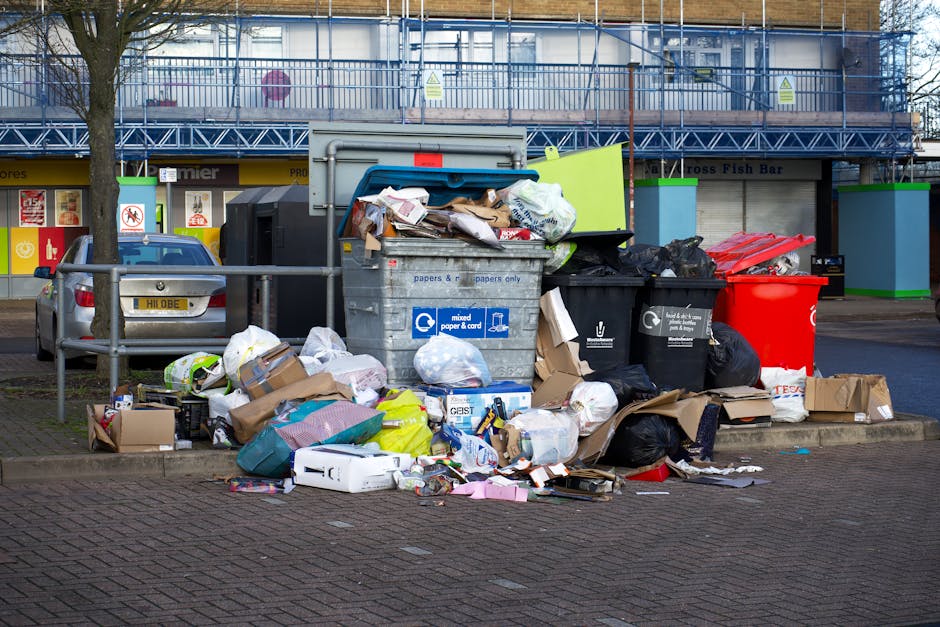
Avoid hidden rubbish removal charges Great Bookham
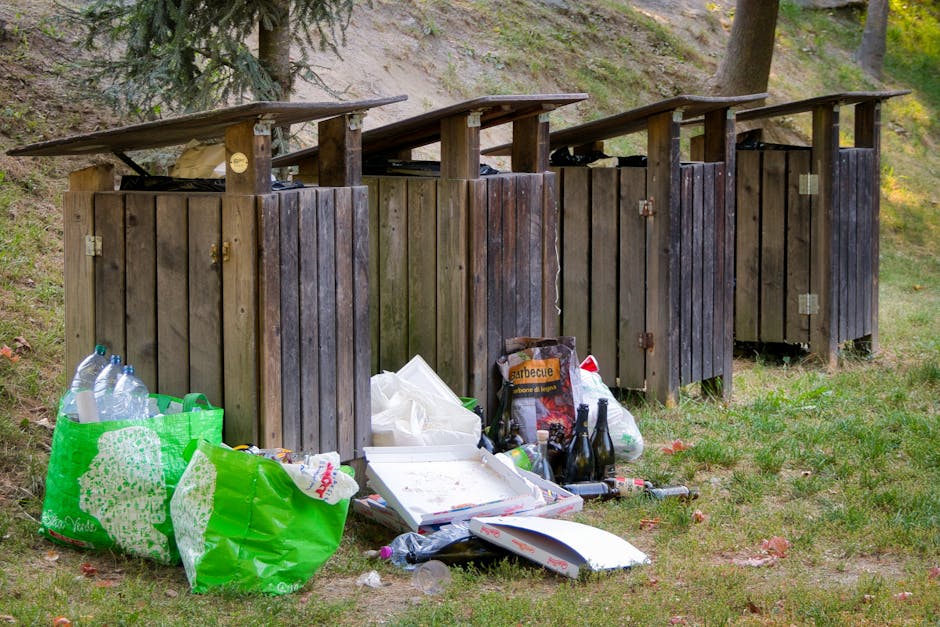
If you are trying to avoid hidden rubbish removal charges Great Bookham, you are probably in that awkward middle ground: the rubbish has to go, but you do not want a bill that mysteriously grows once the van pulls up. Fair enough. Nobody likes surprise fees, especially when the job looked straightforward at first glance.
In Great Bookham, the safest way to keep rubbish removal costs honest is to understand what a proper quote should include, what can trigger extras, and how to check the fine print before anyone starts loading items. This guide walks you through the real-world points that matter: pricing structure, access issues, heavy waste, collection rules, and the small details that often get missed. You will also find a simple checklist, a comparison table, and practical questions to ask before you book.
Why Avoid hidden rubbish removal charges Great Bookham Matters
Hidden charges are not just annoying. They can completely change how you budget for a clearance. A quote that seems decent on the phone can become less useful if it leaves out labour, stair carries, congestion-style waiting time, parking complications, or disposal fees for certain waste types. That is how people end up paying more than they planned, and sometimes more than the job was worth in the first place.
In a place like Great Bookham, many properties have their own quirks. Some have narrow driveways, shared access, garden paths, loft hatches, or parking that makes loading slower than expected. A flat rate without detail can look attractive, but if the operator has not considered access properly, the "cheap" option may not stay cheap for long.
It also matters because rubbish removal is often tied to other jobs. A house clearance, garage clear-out, loft removal, or furniture disposal can all seem simple until you discover a bulky wardrobe, broken appliances, builder's rubble, or mixed waste hiding at the back. When that happens, unclear pricing can make a stressful day feel worse. Much worse, to be honest.
For householders and businesses alike, transparent pricing creates trust. It lets you compare providers properly, plan the timing, and decide whether you need a full house clearance service, a smaller furniture disposal option, or a general waste removal collection. That clarity is half the battle.
Key takeaway: the best way to avoid surprise charges is not to chase the lowest headline price. It is to get a quote that clearly describes what is included, what might cost extra, and what the team needs to know before arrival.
How Avoid hidden rubbish removal charges Great Bookham Works
The process is fairly simple when it is done properly. First, you describe the waste as accurately as you can. Then the company assesses the job and gives a price based on the amount, type, and location of the rubbish. After that, the collection happens, and the final bill should match the agreed terms unless you changed the job on the day.
That sounds obvious, but the devil is in the details. The quote may be based on volume, weight, item type, number of labourers, access, or a combination of these factors. A van-load estimate is common for mixed rubbish removal, while specialist jobs such as builders waste clearance may need extra consideration for heavy inert materials, sharp offcuts, or awkward bags of rubble.
Good operators ask questions before giving a price. Where is the waste located? Is there stairs-only access? Are there hazardous items? Is there parking nearby? Will they need to dismantle furniture? Those are not nuisance questions. They are the questions that stop the price changing later.
Sometimes the hidden charge is not a scam at all, just an assumption that was never checked. A customer says "a few bags and a sofa," then the team arrives to find a garage packed floor to ceiling, three mattresses, broken tiles, and a freezer that still needs to be disconnected. Suddenly the job is different. Not wildly different, but different enough to justify a revised quote.
To keep things calm, make sure the quote process includes:
- a clear description of what is being removed
- whether loading, lifting, or dismantling is included
- how the company handles heavy or awkward items
- any extra cost for difficult access or waiting time
- whether disposal, recycling, and labour are bundled together
If you are comparing providers, it can also help to look at their pricing and quotes information before you book. That one step alone often tells you whether the company likes clarity or prefers the old "we'll see when we get there" approach. And let's face it, that second style is where the headaches begin.
Key Benefits and Practical Advantages
The biggest benefit is obvious: you know where you stand financially. But there is more to it than just avoiding an unpleasant invoice. Transparent pricing usually means better planning, fewer delays, and a smoother collection day.
Here are the main advantages:
- No surprise bill at the end. You can approve the cost before work starts.
- Better budgeting. Useful for home moves, refurbishments, and business clear-outs.
- Faster decisions. If you know the true cost, you can decide whether to clear now or split the job.
- Less stress on the day. No awkward negotiation in the driveway while the van is loaded.
- Better comparison shopping. You can compare like with like, not vague headline prices.
- More suitable service matching. The right provider can be chosen for furniture, garden waste, office waste, or mixed household items.
There is also a quality angle. Companies that price carefully often handle the job more carefully too. They tend to ask the right questions, bring the right tools, and plan the route through your property rather than guessing. That matters if you are clearing fragile areas, shared hallways, or a busy office where people still need access.
For example, a family clearing out a loft in Great Bookham may also need help with furniture items, old toys, and boxes of mixed bric-a-brac. If the provider has a sensible process, they can separate what is reusable, what needs disposal, and what might require special handling. That is exactly where a broader home clearance or loft clearance service can be more practical than a quick one-price advert.
Who This Is For and When It Makes Sense
This approach is useful for almost anyone arranging waste collection, but it is especially relevant if your job has more moving parts than a simple bin bag pickup. If the waste is mixed, bulky, heavy, hidden away, or spread across several rooms, you need pricing clarity.
It makes particular sense for:
- homeowners clearing one room, a whole property, or a garage
- landlords preparing a property between tenants
- tenants leaving a flat and trying to avoid deposit-related arguments
- small businesses clearing office clutter or archive waste
- builders and tradespeople with mixed site waste
- people disposing of large furniture, appliances, or awkward bulky items
It also makes sense when the job is emotionally loaded. We have all seen this kind of situation: a relative has moved into care, the loft is full, and suddenly everyone is trying to make quick decisions. In those moments, clear pricing is not just nice to have. It helps keep the day moving.
If you are clearing a smaller set of items, such as a sofa, wardrobe, or dining set, a dedicated furniture option may be enough. If the waste is more varied, a general collection may be better. The point is to match the service to the actual load, not the hopeful version of the load.
For business premises, the same applies. A shop, office, or workshop can hide a surprising amount of waste in cupboards, back rooms, and under desks. A clear proposal for office clearance or business waste removal should explain how the company prices access, labour, and disposal. If it does not, ask again. Politely, but firmly.
Step-by-Step Guidance
If you want to avoid hidden charges, use a simple process. It sounds basic because it is basic. Yet this is the bit people skip when they are in a hurry.
- List everything that needs removing. Include bags, broken furniture, white goods, garden waste, rubble, and anything stored behind larger items.
- Take photos from several angles. Good photos reduce guesswork. Show stairs, gates, tight corners, and parking if relevant.
- Ask what the quote includes. Check labour, loading, disposal, recycling, and any minimum charge.
- Confirm possible extras in writing. Ask about difficult access, extra heavy items, contamination, or added waiting time.
- Clarify what happens if the load changes. What if you add two more mattresses or discover a second pile in the shed?
- Check collection day terms. Ask whether someone needs to be present, how long the team will wait, and whether payment is taken before or after loading.
- Keep a copy of the agreement. A quick email trail can save a lot of trouble later. Small thing, big value.
If you are getting multiple quotes, compare the detail rather than just the total. One provider might seem a little pricier, but if that price includes labour, recycling, and proper loading time, it may be better value than a low headline quote with add-ons waiting in the wings.
You may also want to ask whether the company offers services for specific item types, such as furniture clearance, garden clearance, or garage clearance. Specialised pages often indicate a more structured service, which is a good sign when you are trying to keep pricing transparent.
Expert Tips for Better Results
A few small habits make a big difference. In our experience, the people who avoid charge disputes are not lucky; they are simply more specific.
- Be honest about access. If there is a narrow stairwell or no parking right outside, say so. It is better to be slightly cautious than to underdescribe the job.
- Separate your waste where practical. Keeping recyclables, general waste, and reusable furniture apart can simplify the quote.
- Mention bulky or heavy pieces early. A mattress is not the same as a mattress and divan set. A sofa is not the same as a sofa bed. Obvious, yes. Often missed, also yes.
- Ask for the total price, not just the base rate. A base rate alone tells you very little.
- Check whether VAT is included. If a provider charges VAT, the number should be clear before you agree.
- Take a few minutes before collection day to re-check the pile. It is amazing how often one extra broken chair appears at the last minute.
Here is a tiny but useful one: if the waste is in a loft, garage, or shed, clear a path to it before the team arrives. That does not just help the workers. It helps the quote stay accurate because the job is easier to assess. And if the waste includes items you think might be reusable or recyclable, ask how the company handles that. A provider with a clear recycling and sustainability approach is more likely to explain their process honestly.
Also, do not be embarrassed to ask simple questions. "Is there anything else I should know about the price?" is a perfectly fair question. Good companies expect it. The vague ones tend to get fidgety, which tells you quite a lot.
Common Mistakes to Avoid
Most hidden charges happen because of avoidable assumptions. The good news is that they are usually easy to prevent.
- Choosing the cheapest headline price. If it looks too neat, ask what is missing.
- Not describing access properly. Steps, lifts, and parking can all matter.
- Forgetting about heavy items. Builders' debris, soil, tiles, and appliances may be priced differently.
- Leaving mixed waste unmentioned. A load of general rubbish is not the same as mixed waste with restricted items.
- Assuming all labour is included. Some quotes cover collection only, not carrying items from inside the property.
- Not confirming the disposal method. Recycling, reuse, and disposal all affect how a job is handled.
- Failing to read terms and conditions. Boring? A bit. Useful? Absolutely.
A common one is the "it's only a small job" trap. A few items in the hallway can turn into a van-full once cupboards are opened and corners are checked. Another is the "we'll sort it on the day" approach. That can be fine for some providers, but if the price is not pinned down first, it can become messy fast.
For clearer control, look for a provider with transparent service pages and straightforward policies, including terms and conditions and payment and security information. These are not the exciting bits, admittedly, but they are where a lot of peace of mind lives.
Tools, Resources and Recommendations
You do not need fancy software to manage rubbish removal well. A phone camera, a notepad, and a couple of good questions will do most of the work.
Useful tools and resources include:
- Phone photos or video. Record the waste and access route clearly.
- A simple item list. Write down what stays and what goes. It saves confusion.
- Property measurements. Door widths, stair turns, loft hatches, and gate openings can matter more than you think.
- Calendar reminders. Useful if you are coordinating with cleaners, decorators, or tenants.
- Confirmation emails. Keep the quote, the agreed scope, and any special notes together.
For more complex jobs, especially where safety or insurance is a concern, it can help to review provider information about insurance and safety and their health and safety policy. That does not guarantee perfection, of course, but it does show the company is thinking beyond the sale.
If you are unsure whether your job is more of a house clearance, flat clearance, or a general waste removal, compare the service scope before booking. A smaller flat clear-out may fit a flat clearance service, while a bigger mixed-property job may need a broader approach. Matching the service to the job is one of the simplest ways to avoid awkward extras later.
Law, Compliance, Standards, or Best Practice
Although this topic is mainly about pricing transparency, compliance still matters. Rubbish removal should be carried out responsibly, with waste handled in line with accepted UK practice and local requirements. You do not need to become an expert in waste law to protect yourself, but a basic awareness helps.
As a customer, the main things to look for are straightforward:
- the provider should be able to explain how waste is collected and taken away
- they should not encourage unsafe loading or unclear disposal methods
- they should be clear about any restrictions on certain item types
- their pricing should not depend on vague promises or misleading wording
If a company seems unable to explain how it handles different waste streams, that is a small red flag. Not a disaster, but worth noticing. Likewise, if a quote leaves out the type of waste being collected, it can be hard to know whether the price is fair. Best practice is plain language: what is being removed, who carries it, where it goes, and what it costs.
If the job involves commercial waste, extra care is sensible. Businesses have different storage habits, different security concerns, and often more time pressure. A proper business waste removal arrangement should set out the scope clearly so there is no confusion about access, collection timing, or the kinds of waste included.
For larger or more hazardous-looking loads, it is always wise to ask questions rather than assume. That is not overthinking it. That is just sensible.
Options, Methods, or Comparison Table
Different rubbish removal methods suit different jobs. The table below gives a simple way to compare what may work best depending on the waste and how predictable you want the final cost to be.
| Option | Best for | Pros | Watch-outs |
|---|---|---|---|
| Fixed quote after assessment | Mixed household waste, furniture, lofts, garages | Clearer total price, fewer surprises | Needs accurate description and photos |
| Load-based pricing | General rubbish with easy access | Simple and quick to understand | Can rise if the load is larger than expected |
| Item-by-item pricing | Specific bulky items | Good for targeted jobs | Can become expensive if items multiply |
| Specialist service | Builders waste, offices, gardens, furniture | Better fit for certain waste types | Must match the service to the actual job |
In practice, the safest route for avoiding hidden charges is usually a fixed quote based on a clear description. That said, the right method depends on the job. A few bags from a shed are not the same as a whole-property clearance, and trying to force one pricing model onto everything tends to create trouble.
If you are dealing with mostly outdoor waste, a dedicated garden clearance can be more efficient. If the job is mainly old household items, a furniture clearance or disposal service may be better. Choose the method that matches the pile, not the one with the flashiest headline.
Case Study or Real-World Example
Here is a realistic example from the kind of job people arrange all the time in Great Bookham.
A homeowner wanted to clear a garage after years of slow accumulation: two old armchairs, a broken chest of drawers, several bags of household clutter, a rusty bike, and a few lengths of timber from a long-finished DIY project. The first quote they received sounded cheap, but it only covered a "small amount of mixed waste" and did not mention labour or access. The garage, meanwhile, sat down a short slope with no easy parking right outside.
Instead of booking on the spot, they took photos, listed the items, and asked for a more detailed quote. The second provider asked a few sensible questions: Was there any hazardous waste? Could the team get close to the garage entrance? Would they need to break down the drawers? That extra five minutes changed everything. The final price was a little higher than the teaser number, but it stayed fixed because the job had been described properly.
The result was boring in the best possible way: no dispute, no awkward add-on, no "that will be extra" conversation at the end of the day. The garage was cleared, the driveway was tidy, and the homeowner could get on with the rest of the week. Sometimes boring is exactly what you want.
That is the practical lesson here. A more careful quote process may not always be the cheapest upfront, but it is often the cheapest in the end because it avoids all the friction that comes with hidden extras.
Practical Checklist
Use this checklist before you book any rubbish removal in Great Bookham.
- Have I listed every item that needs removing?
- Have I included photos of the waste and access route?
- Have I confirmed whether labour is included?
- Have I asked about heavy, bulky, or awkward items?
- Have I explained stairs, narrow paths, gates, or parking issues?
- Have I checked whether VAT is included in the quote?
- Have I asked about extra charges for waiting, dismantling, or difficult access?
- Have I read the terms and conditions?
- Have I checked payment terms and security details?
- Have I made sure the quote covers disposal as well as collection?
Quick sanity check: if the quote feels too vague to explain in one sentence, it probably needs another look. That little pause can save you a lot of money and a fair bit of annoyance.
Conclusion
To avoid hidden rubbish removal charges Great Bookham, the real skill is simple: describe the job clearly, compare quotes honestly, and ask direct questions before collection day. That is the whole game. Good pricing should feel understandable, not mysterious.
Whether you are clearing a loft, a garage, a flat, an office, or a mixed household load, the same principle applies. The more accurately you describe the waste, access, and service needs, the less room there is for surprises. And in a market where one vague quote can become a very expensive story, clarity is worth its weight in old furniture.
If you want a more structured starting point, review the provider's about us information, check their service pages, and make sure the quote matches what you actually need. A calm, transparent approach saves time, protects your budget, and makes the whole process feel far less tiring.
Get a free quote today and see how much you can save.
And if you do nothing else, keep one thing in mind: a good clearance company should make life easier, not add another puzzle to your day. That is the standard worth holding onto.
Frequently Asked Questions
How do I avoid hidden rubbish removal charges in Great Bookham?
Give a full description of the waste, include photos, ask what the quote covers, and confirm any possible extras in writing before booking. The clearer the brief, the fewer surprises.
What charges are commonly added after the quote?
Common extras can include difficult access, extra labour, heavy items, waiting time, dismantling, or additional waste that was not mentioned originally. A good quote should flag these possibilities early.
Is the cheapest rubbish removal quote usually the best?
Not always. A low headline price can leave out labour, disposal, or access costs. It is better to compare the full service and the total price than the first number you see.
Should I send photos before getting a quote?
Yes, photos are one of the easiest ways to reduce misunderstanding. Show the waste, the route out, stairs if relevant, and anything bulky or awkward.
Do I need to mention stairs or narrow access?
Absolutely. Access affects time, labour, and sometimes the equipment needed. If a company knows in advance, it can price the job properly.
Can rubbish removal prices change on the day?
They can change if the job is different from the description given. If the waste is larger, heavier, or harder to reach than expected, a revised quote may be fair.
What should be included in a transparent quote?
A transparent quote should explain collection, loading, labour, disposal, and any known extras. It should also state whether VAT is included and what happens if the scope changes.
Are there different pricing rules for furniture or bulky items?
Often, yes. Large furniture, appliances, and awkward items may need more labour or special handling. That is why services like furniture clearance or furniture disposal can be useful.
How can I compare rubbish removal companies fairly?
Compare the detail, not just the price. Check what is included, how access is handled, whether disposal is covered, and whether the provider explains its terms clearly.
What if I only have a small amount of waste?
Even small jobs can carry hidden costs if they are not described clearly. A small pile can still be awkward if it is upstairs, heavy, or mixed with restricted items.
Should I read the terms and conditions before booking?
Yes. It is not glamorous reading, but it often tells you exactly how pricing, cancellations, access, and extra charges are handled. That alone can prevent headaches later.
Is this advice useful for house clearances as well as rubbish removal?
Definitely. The same principles apply to house clearance, loft clearance, garage clearance, office clearance, and general waste removal. Clear information leads to cleaner pricing.
When should I choose a specialist clearance service instead of general rubbish removal?
Choose a specialist service when the waste has a clear type or location, such as garden waste, office clutter, builders debris, or large amounts of furniture. Matching the service to the job usually improves pricing accuracy.