What to know about bulky rubbish pick up in Great Bookham
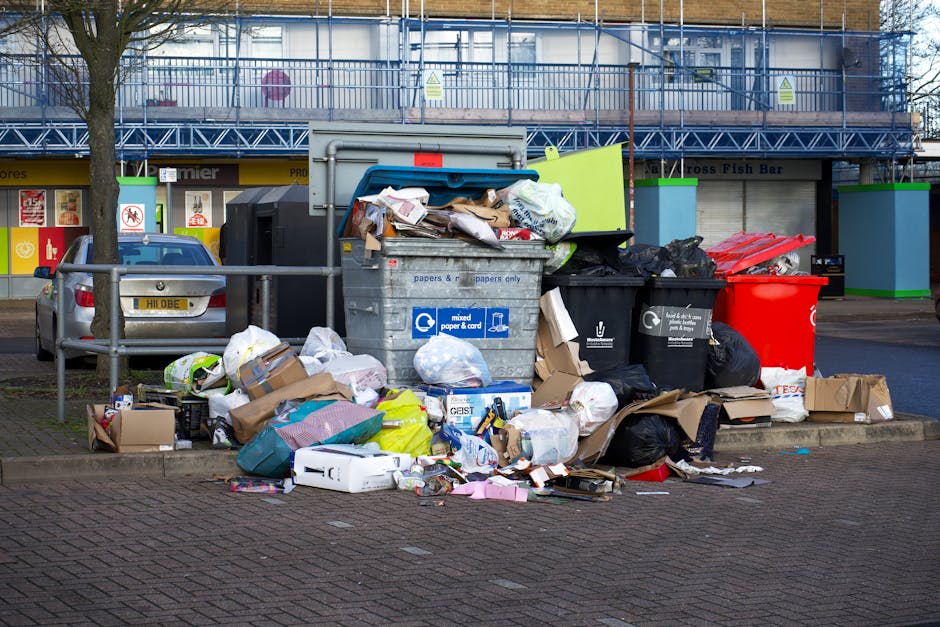
If you are staring at an old sofa, a broken wardrobe, or a pile of awkward junk that simply will not fit in the car, bulky rubbish pick up in Great Bookham can feel like the easiest way to get your space back. The tricky bit is knowing what counts as bulky waste, what happens on collection day, and how to avoid delays, surprise costs, or a half-finished job. This guide breaks it all down in plain English so you can make a sensible choice, whether you are clearing a single item or several rooms at once.
Great Bookham households and small businesses often need bulky waste removed after a move, a refurb, a garage clear-out, or a long-overdue declutter. Let's face it: once the items are in the hallway, the job suddenly feels bigger. The good news is that with a little planning, the process can be straightforward. Below you will find how it works, what to watch for, and how to choose the most practical option for your situation.
Why bulky rubbish pick up in Great Bookham matters
Bulky waste is not just "big rubbish". It is the sort of household or commercial item that takes real effort to move: mattresses, armchairs, wardrobes, broken appliances, old desks, and similar items that are too heavy, too large, or too awkward for normal bin collection. In Great Bookham, getting rid of these items properly matters for a few very practical reasons.
First, there is the obvious one: space. A single unused bed base can make a room feel unfinished for weeks. A couple of damaged cabinets in a garage can quietly take over the whole area. Before you know it, the spare room becomes the place where things go to die. Not ideal.
Second, there is safety. Heavy items can cause trips, block access routes, and make it harder to clean or maintain a property. That is especially relevant if you are preparing a home for sale, handling a rental turnover, or managing a business space that needs to stay tidy and presentable.
Third, there is the environmental angle. Bulky rubbish is not always waste in the same way. A lot of it can be reused, recycled, or separated for responsible disposal. That is why many people prefer a service that understands recycling and sustainability rather than simply treating everything as mixed rubbish.
And finally, there is peace of mind. When you know who is taking the items, how they will be handled, and what is included, the whole job feels calmer. A small thing, perhaps, but when your hallway is full of old furniture on a wet Tuesday morning, calm matters.
How bulky rubbish pick up in Great Bookham works
In simple terms, bulky rubbish pick up usually means a collection team comes to your property, assesses the items, lifts them out, loads them safely, and removes them for sorting, reuse, recycling, or disposal. The exact process depends on the provider and the volume of waste, but the broad outline is usually similar.
Most collections start with a description of the items. You may be asked to list what needs removing, whether anything is upstairs or in a loft, and whether there are access issues such as narrow stairs, parking restrictions, or a shared entrance. This is not just admin for the sake of it. It helps the team bring the right equipment and size up the job properly. Nobody wants to discover, mid-collection, that a three-seater sofa will not make the corner. Been there, seen that, not fun.
Depending on the arrangement, the items may be collected from outside the property, from a driveway, or from inside the house. If lifting is involved, the team should be able to do it safely and efficiently. If the waste includes mixed materials, such as furniture plus garden debris or renovation offcuts, a broader service like waste removal may be more appropriate than a simple single-item collection.
Many people in Great Bookham also use bulky rubbish pick up alongside wider clearances. For example, if you are emptying a garage, it can make sense to combine heavy furniture, boxes, and miscellaneous items into one visit. In that case, a more tailored option such as garage clearance can be more efficient than booking several separate removals.
Timing is another factor. Some jobs are quick; others need more care. A single mattress may be removed in minutes, while a full flat clearance can take longer because access, sorting, and loading all matter. If the property is a rental or a smaller upstairs unit, a specialist approach like flat clearance may save a lot of hassle.
Key benefits and practical advantages
There are obvious benefits to booking a bulky rubbish pick up, but the practical advantages often go a bit deeper than most people expect.
- Less physical strain: Heavy lifting is one of the biggest risks in DIY disposal. If you have ever tried shifting a wardrobe down a staircase, you will know why people outsource it.
- Faster results: A good collection can clear days of frustration in a single visit.
- Better sorting: Reusable or recyclable items can be separated more intelligently when handled by people who do this regularly.
- Cleaner finish: Proper removal often leaves a space ready for decorating, renting, or immediate use.
- Less disruption: With the right planning, the job can be done without turning your home into a building site.
There is also a subtle but important benefit: decision relief. Once the job is booked, you stop thinking about it every time you walk past the pile. That mental weight is real. Truth be told, clutter can be oddly exhausting.
If you are dealing with a larger property clean-out, it may be worth comparing a few related options. A broader home clearance can be useful if the bulky waste is part of a bigger decluttering project, while a more targeted furniture clearance works well when the main problem is old furnishings taking over the space.
Who this is for and when it makes sense
Bulky rubbish pick up in Great Bookham is not just for people with a single broken sofa. It is useful for a wide range of situations, and the right solution depends on what you are trying to achieve.
It makes sense if you are:
- moving home and want to leave behind unusable furniture
- clearing out a loft, garage, shed, or spare room
- preparing a property for sale or letting
- refurbishing a room and replacing old items
- managing business premises that need to stay clean and safe
- dealing with a probate or estate clearance where items must be handled carefully
It is also handy for landlords and letting agents who need fast turnaround between tenancies. A couple of bulky items left by a tenant can hold up cleaning, decorating, and viewings. For offices, the same logic applies. Old desks, chairs, filing cabinets, and storage units can create a cluttered, dated feel very quickly. In those cases, office clearance is often a better fit than trying to treat everything as general rubbish.
Builders and renovators may need support too. If the bulky waste is mixed with plasterboard, timber, packaging, or broken fittings, a service such as builders waste clearance can be more appropriate. Different waste streams need different handling, and mixing them up is where people often waste time.
Step-by-step guidance
If you want a smooth collection day, a bit of preparation goes a long way. Here is a practical way to handle it.
- List the items clearly. Write down what is going, including sizes if the items are bulky or awkward. A quick photo helps too.
- Check access. Think about stairs, parking, narrow hallways, or anything that could make lifting trickier.
- Separate what stays from what goes. This sounds obvious, but in real life it is easy to put things too close together and create confusion.
- Remove personal items first. Check drawers, cupboards, and hidden pockets. People forget keys, chargers, small tools, all sorts.
- Ask about handling and sorting. If reuse or recycling matters to you, say so early.
- Confirm the arrangement. Make sure the scope of work is understood before the visit.
- Prepare the route. Move loose rugs, open gates, and make sure doors are accessible.
If the items are all furniture-based, a dedicated service such as furniture disposal may be a better match. On the other hand, if you are emptying a storage area with mixed belongings, keep the service flexible enough to handle the lot in one go.
One helpful habit: group items by room before collection. That makes it easier to spot what is actually going and what may still have value. A half-decent bookcase, for example, might be better reused than dumped. You do notice the difference when you sort things properly.
Expert tips for better results
Small details make bulky rubbish pick up easier, cheaper, and less stressful. Here are the things that tend to matter most in practice.
- Be honest about the volume. Underestimating the amount of waste is the quickest route to delays or revised costs.
- State access constraints early. A narrow path, basement steps, or no parking nearby can change the whole job.
- Keep recyclable items separate where sensible. It helps with sorting and often supports better environmental outcomes.
- Use one clear contact person. Mixed messages cause confusion, especially for larger clearances.
- Book with a little breathing room. If you are moving house or fitting new furniture, do not leave the pickup to the last possible hour.
If you are clearing outdoor items as well, it can be smart to combine them. A weather-worn rattan set, broken planters, and old fence panels may all fit into a garden clearance arrangement. One visit, fewer moving parts. That tends to be nicer for everyone.
Also, if the waste includes heavy or awkward furniture, ask whether dismantling is needed in advance. Some items can be taken as they are, but others, especially large wardrobes or sectional pieces, may need to be broken down before removal. Do not assume. Ask. It saves awkward moments at the door.
Common mistakes to avoid
Most bulky waste problems are avoidable. The same few mistakes come up again and again.
- Leaving items in inaccessible places. If the team cannot get to them safely, the job slows down.
- Mixing keep and remove piles. This is how important items get accidentally bundled in. Easy mistake, annoying outcome.
- Not checking what the service includes. Lifting, loading, sorting, and disposal may not all be treated the same way.
- Forgetting about item condition. Wet, damaged, or contaminated items may need special handling.
- Waiting until the last minute. If you need the space for a delivery, renovation, or tenancy handover, time pressure makes everything harder.
Another surprisingly common issue is poor communication about upstairs items. If a sofa is on a first floor and the stairs are tight, say so. That is not being awkward; it is being helpful. The crew would rather know before they arrive than discover it halfway through the landing.
And here is a simple one: do not leave bulky rubbish outside for too long. It can get damp, attract attention, and become more awkward to handle. British weather has a way of making a simple job a bit worse by lunchtime.
Tools, resources and recommendations
You do not need a van full of gear to prepare for bulky rubbish pick up, but a few basic tools and habits help a lot.
- Gloves: useful for sorting and moving smaller items safely.
- Strong bags or boxes: ideal for accessories, loose fittings, and small mixed waste.
- Tape measure: helpful when checking whether a large item will fit through a doorway or stairwell.
- Marker pen and labels: good for marking keep, sell, donate, and remove piles.
- Phone camera: simple, but very effective for documenting the load before collection.
For bigger clearances, it can help to look at related services so you choose the right fit first time. For example, a property-level tidy-up may be better handled through house clearance, while a storage-heavy property with eaves, boxes, and forgotten seasonal items may need loft clearance. If the concern is mostly old furniture, the most practical route may be the specialist furniture clearance option.
It can also be worth reviewing how a provider approaches trust and handling. Pages such as about us, insurance and safety, and payment and security help set expectations before you book. That matters more than people think.
Law, compliance, standards, or best practice
Bulky rubbish pick up is not just a practical task; it also sits within wider waste handling responsibilities. In the UK, the general expectation is that waste should be transferred and handled responsibly, with attention to safety, recycling, and proper disposal routes. You do not need to become an expert in waste law to book a collection, but it does help to know the basics.
Best practice usually includes:
- checking that the provider can lawfully handle the waste type
- keeping a clear record of what is being removed
- separating hazardous or specialist items where required
- making sure access and loading can be done safely
- understanding any terms before work begins
If a load includes items that may need special treatment, such as certain electrical equipment or contaminated materials, ask about it in advance. Not every bulky item is treated the same way, and that is fair enough. A broken chair is one thing; a mixed pile with unknown contents is another.
For businesses, the stakes can be higher because tidiness, safety, and continuity all matter. A cluttered workspace can affect how smoothly staff move around, and a badly managed disposal job can create avoidable disruption. In those cases, business waste removal is often the cleaner, safer route.
To be fair, most people do not want a lecture on compliance. They just want the items gone, properly. Still, asking a few sensible questions about process, handling, and responsibility can save trouble later.
Options, methods, or comparison table
There is no single "best" way to deal with bulky rubbish. The right method depends on volume, access, urgency, and how much sorting you want done for you.
| Option | Best for | Strengths | Things to watch |
|---|---|---|---|
| Single-item bulky pick up | One sofa, mattress, or appliance | Simple, quick, minimal disruption | Less flexible for mixed loads |
| Furniture-focused collection | Old beds, wardrobes, tables, chairs | Good for large furnishings and reuse potential | May not suit mixed waste |
| General waste removal | Mixed household or commercial rubbish | Flexible and practical for varied loads | Needs clearer item listing |
| Whole-property clearance | Moves, void properties, major declutters | Most efficient for larger jobs | Needs more planning and access checks |
If the job is mainly about old sofas, beds, or dining sets, a service built around furniture disposal can be more focused. If it includes a lot of mixed materials and random extras, general waste removal may be the better fit. Different tools for different jobs. Simple as that.
Case study or real-world example
A fairly typical Great Bookham scenario goes like this. A family finishes redecorating two bedrooms and suddenly finds themselves with an old bed frame, two mattresses, a worn wardrobe, and a stack of damaged shelving. None of it is massive on its own, but together it takes up the landing, the spare room, and half the hallway. The place feels smaller immediately.
They could try to dismantle and move everything themselves, but the stairs are narrow, the parking is tight, and the furniture has already seen better days. One wardrobe door has come off its hinges, which makes the whole thing awkward to carry. Instead, they arrange a bulky rubbish pick up and describe the items clearly in advance. They also note that the bed frame is upstairs and that access is through a side path.
On the day, the crew arrives knowing what to expect. The items are lifted out without the family having to wrestle a mattress around a corner at an impossible angle. A little later, the rooms are clear and ready for decorating. The whole thing is done and dusted before tea time, which, frankly, is the sort of efficiency everyone hopes for but does not always get.
What made the difference? Good description, realistic planning, and choosing a service that matched the job. Nothing fancy. Just sensible preparation.
Practical checklist
Use this quick checklist before your bulky rubbish pick up in Great Bookham.
- Make a clear list of everything to be removed.
- Take photos of large or awkward items.
- Measure doorways, stairs, and access points if needed.
- Separate items you are keeping from items going out.
- Remove personal belongings from drawers and storage spaces.
- Check whether any items need special handling.
- Confirm whether items are inside, outside, upstairs, or in a loft.
- Make sure parking and access are workable on collection day.
- Ask how reusable or recyclable items are handled.
- Review the provider's terms before you book.
If your clearance is part of a larger life admin reset, it may also help to look at pricing and quotes so you know what to expect before committing. Clarity is underrated. So is having one less thing to worry about.
Get a free quote today and see how much you can save.
Conclusion
Bulky rubbish pick up in Great Bookham is one of those services that seems simple at first glance, but the details matter. The right preparation can save time, reduce stress, and make sure large items are handled properly instead of becoming a nuisance for days on end.
If you remember only a few things, make them these: be clear about what needs removing, think through access, choose the right type of clearance for the job, and keep an eye on safety and responsible disposal. Whether you are clearing one awkward item or a whole room full of tired old furniture, a little planning goes a long way.
And once the space is clear, it really does feel different. Brighter. Easier. More yours again. Sometimes that is worth a lot more than the pile you just got rid of.
Frequently Asked Questions
What counts as bulky rubbish in Great Bookham?
Bulky rubbish usually means large or heavy items that will not fit into normal household bins, such as sofas, beds, wardrobes, mattresses, tables, and similar awkward items. It can also include some large mixed items from garages, lofts, and offices.
Can I mix furniture and general waste in one collection?
Often, yes, but it depends on the provider and the make-up of the load. A mixed collection is usually fine if the items are described clearly in advance. If the job is mostly furniture, a furniture-focused service may be more efficient.
Do I need to move the items outside before collection?
Not always. Some services collect from inside the property, while others may prefer items to be placed in an accessible spot. It is best to confirm this before the visit so there are no surprises on the day.
How do I know whether I need bulky rubbish pick up or full clearance?
If you only have one or a few large items, bulky pick up may be enough. If you are clearing several rooms, a loft, a garage, or an entire property, a broader clearance service is usually more suitable.
What should I do with items that might be reusable?
If something still has life in it, mention that when arranging the collection. Reusable items may be handled differently from damaged or unsalvageable waste, and in some cases that can support better recycling or reuse outcomes.
How far in advance should I book?
That depends on how urgent the job is and how much you need removed. For small jobs, short notice may be possible. For larger clearances or timed moves, booking earlier is usually better because it gives you more breathing room.
Is bulky rubbish pick up suitable for businesses?
Yes. Offices, shops, and other business premises often need removal of desks, chairs, shelving, fixtures, and mixed waste. For those jobs, a service designed around business waste removal is often the most practical choice.
What if the items are upstairs or in a loft?
That is usually manageable, but it should be mentioned upfront. Stairs, loft ladders, and tight corners all affect how the work is done. Clear access information helps avoid delays and keeps the job safer.
Can a collection help with garden clutter too?
Yes, if the service accepts that type of waste. Broken garden furniture, planters, fencing, and other outdoor debris are often better handled as part of a garden clearance rather than treated as standard household rubbish.
What should I check before agreeing to a collection?
Check what items are included, how access will work, whether lifting is covered, and how the provider handles recycling or disposal. It is also sensible to review the provider's terms and safety information before confirming.
Is it worth using a specialist furniture disposal service?
If most of your load is furniture, yes, it can be worth it. A specialist approach can be quicker, clearer, and better suited to bulky items that need careful lifting or sorting.
Where can I find more information about the company and service standards?
Useful pages to review include the company's about us, insurance and safety, recycling and sustainability, and terms and conditions. Those pages help set expectations before you book.